by NelsonCorp Wealth Management | Nov 11, 2021 | Indicator Insights
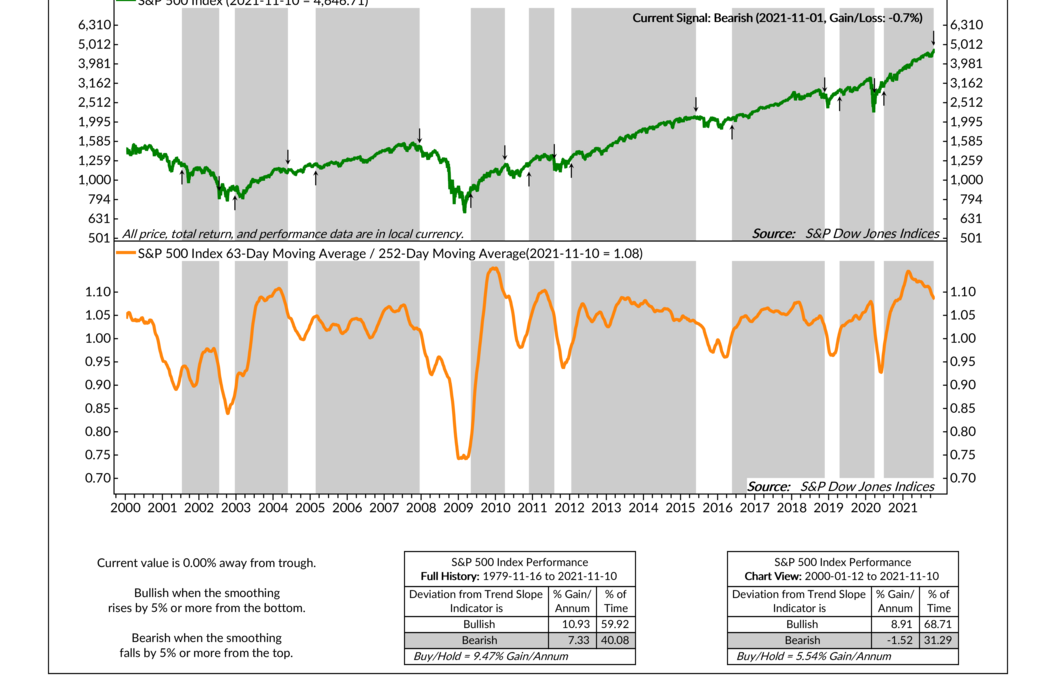
Here’s an unusual argument you may have never heard before: good investing is like being a teenager. What do I mean? Well, teenagers tend to follow the latest trends (social, fashion, etc.). They do this to be cool. Now, whether that is good or not for...
by NelsonCorp Wealth Management | Oct 28, 2021 | Indicator Insights
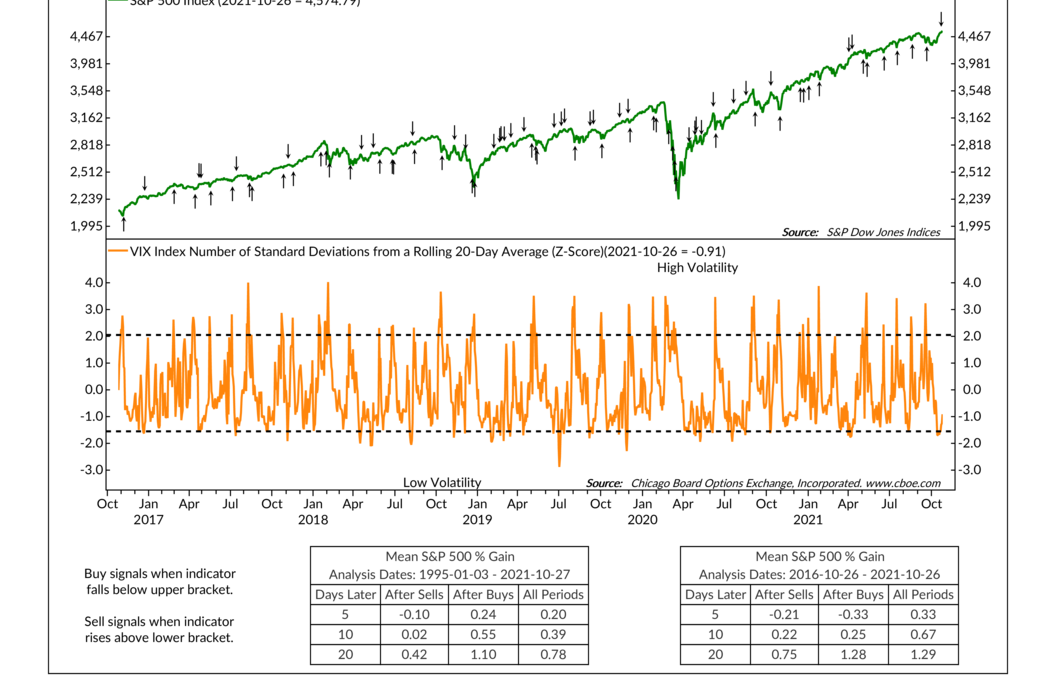
This week’s featured indicator focuses on the volatility of the volatility of the stock market. Yes, you read that right. Volatility of volatility. It sounds a bit weird. But more specifically, we are measuring the volatility of the VIX Index—aka the “Fear...
by NelsonCorp Wealth Management | Oct 21, 2021 | Indicator Insights
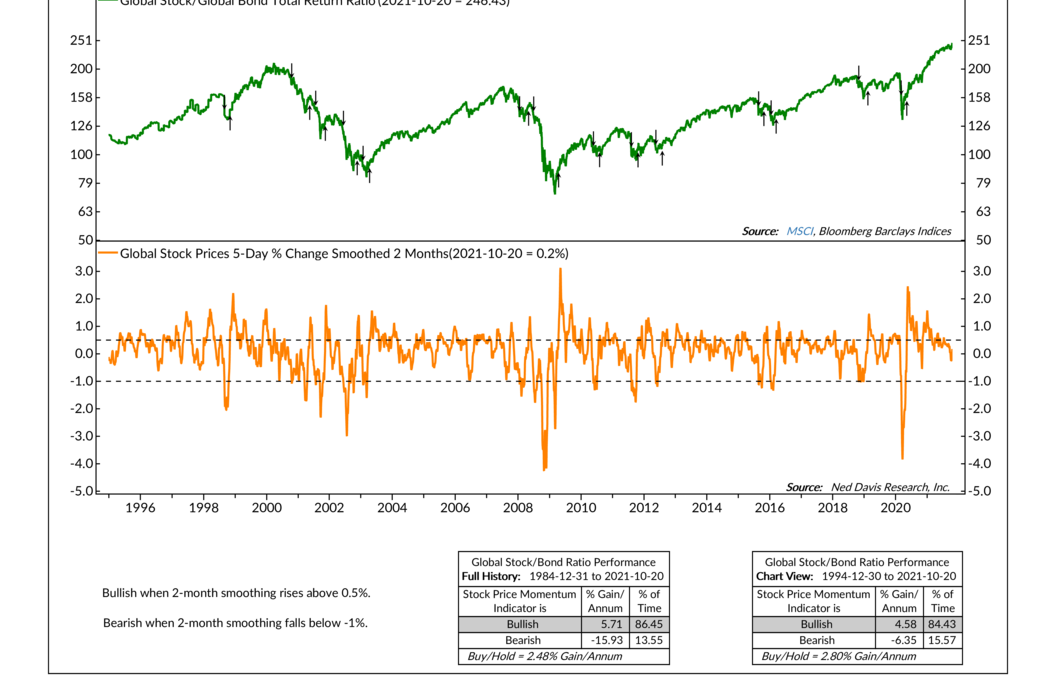
Momentum is an important concept in financial markets. Sure, if you look at a chart of a broad stock market index like the S&P 500, the price seems to squiggle up and down erratically, sometimes with no clear direction as to where it’s headed. But if you...
by NelsonCorp Wealth Management | Oct 14, 2021 | Indicator Insights
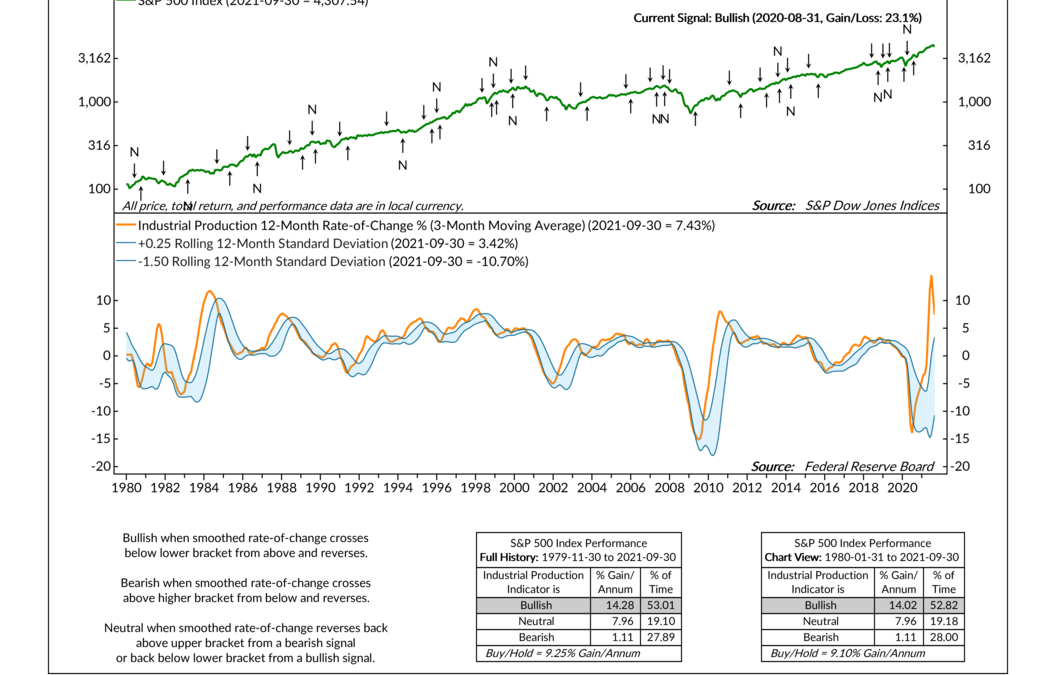
This week’s featured indicator focuses on industrial production, or how much physical stuff is produced in the economy. It includes everything from prescription medicines, cell phones, and TVs to nuggets of gold, steel bars, and planks of wood. Despite our...

by NelsonCorp Wealth Management | Oct 7, 2021 | Indicator Insights
One of the primary ways the Federal Reserve influences the economy is through interest rates. By setting the overnight funding rate that banks use to borrow and lend to each other, the Fed can influence other interest rates in the economy. However, there is...
by NelsonCorp Wealth Management | Sep 30, 2021 | Indicator Insights
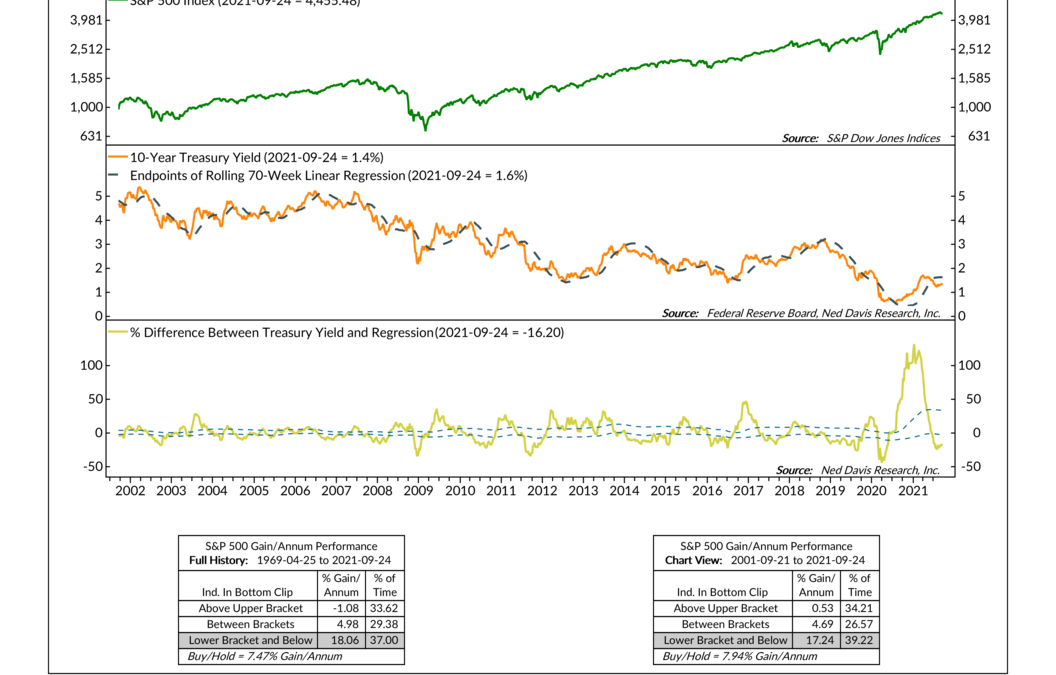
Interest rates have been a big story in the financial markets this year. They shot up like a rocket ship to start the year. But then they fall back down to earth just as quickly. And now, they are starting to edge higher again. So, for this week’s featured...