by NelsonCorp Wealth Management | Jul 28, 2022 | Indicator Insights
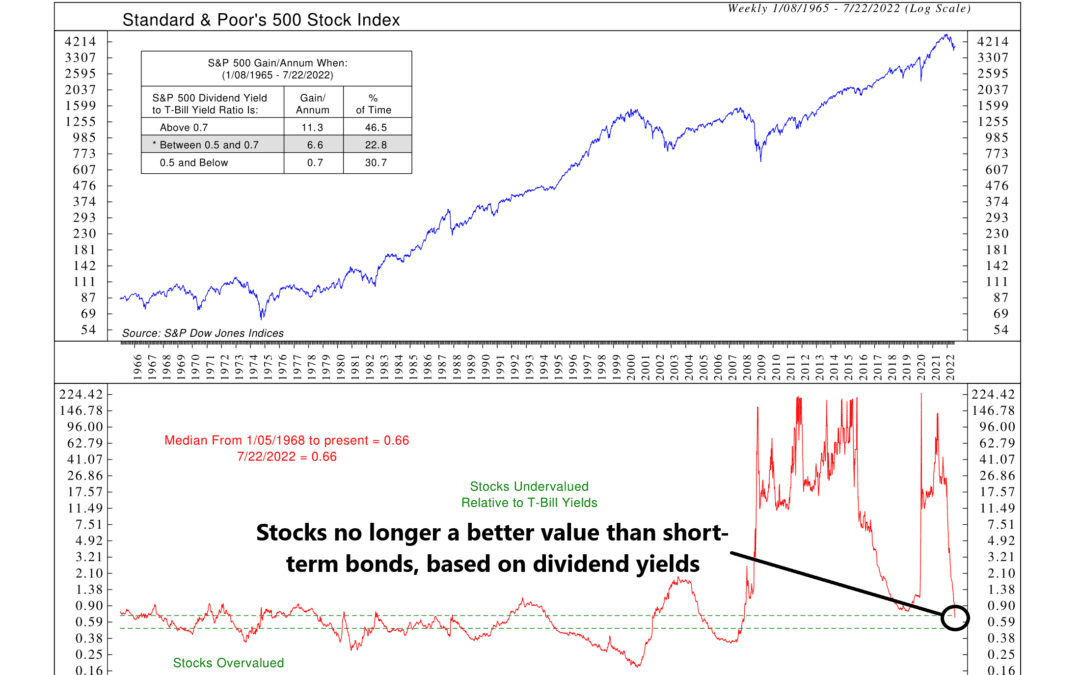
Near the end of the 1990s, two well-known economists, Robert Shiller and John Campbell argued that the high ratio of stock prices to dividends indicated that the stock market was seriously overvalued. In other words, they thought the dividend yield (dividends...

by NelsonCorp Wealth Management | Jul 21, 2022 | Indicator Insights
Whenever there’s talk about what drives the stock market, it usually comes back to two main factors: earnings and what investors are willing to pay for those earnings. A common way to quantify this relationship is to look at something called a price-to-earnings...
by NelsonCorp Wealth Management | Jul 14, 2022 | Indicator Insights
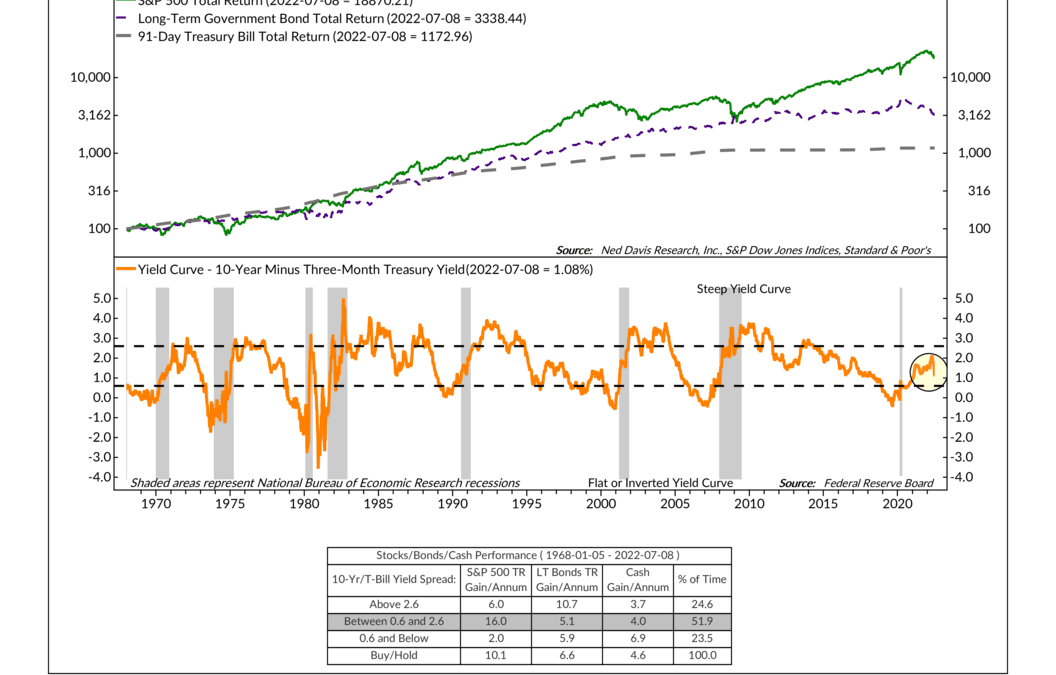
For this week’s indicator, we have a metric that measures the Treasury yield curve. This specific yield curve looks at the difference between the yield on a 10-year Treasury bond versus a 3-month Treasury bond. This is depicted as the orange line on the bottom...
by NelsonCorp Wealth Management | Jul 7, 2022 | Indicator Insights
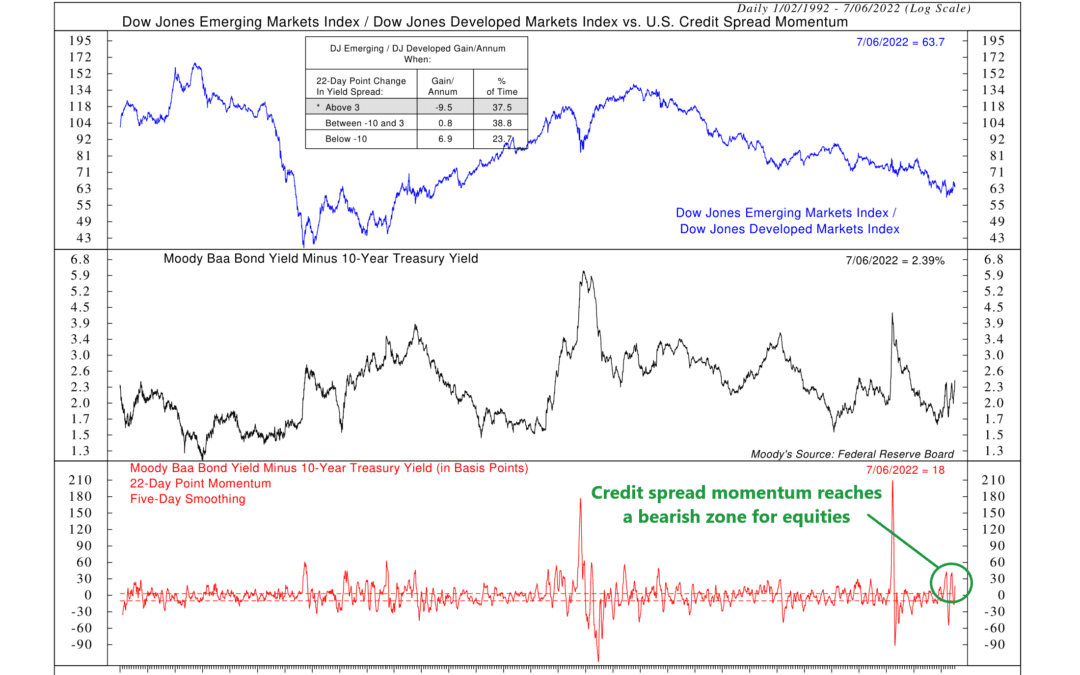
Charles Dickens once wrote, “credit is a system whereby a person who can’t pay, gets another person who can’t pay, to guarantee that he can pay.” Now that’s a bit cynical, but it does tap into this idea that credit is based on the concept of trust. Can...
by NelsonCorp Wealth Management | Jun 30, 2022 | Indicator Insights
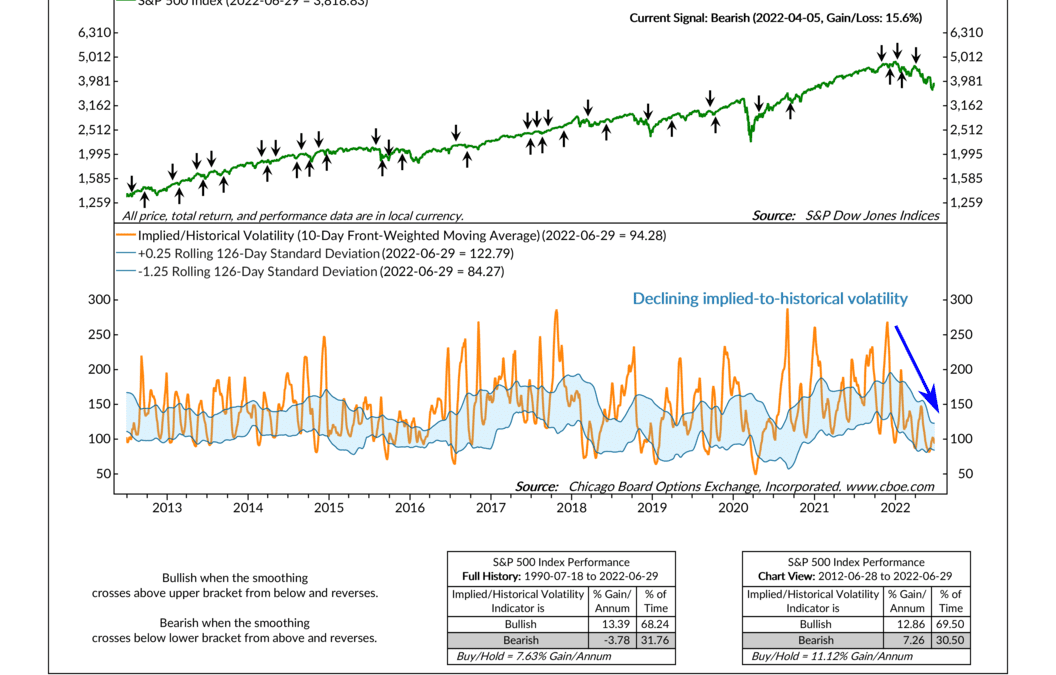
Volatility comes in many different forms. But in the stock market, there are two commonly looked at measures of volatility that investors focus on. The first has to do with the VIX index or the so-called “fear gauge” of the stock market. It’s a forward-looking...

by NelsonCorp Wealth Management | Jun 23, 2022 | Indicator Insights
This week, I want to focus on what is called a “credit spread” indicator. We highlighted the specific indicator above about a year ago. It measures high-yield (junk bond) credit spreads. In particular, it evaluates the distance between a safe asset—in this...